A bulletin about molecules
whatisapeptide: chains, copper and a fatty branch
Semaglutide has a fatty branch. GHK can carry copper. KPV is a clipped hormone ending. I suspect the small additions and subtractions deserve more of the conversation.
BPC-157 amino acid sequence
Spell out the gastric fragment, then follow it into rat injury experiments.
Open BPC-157 ›GHK with copper
A metal attachment, skin experiments and a hair trial using a different form.
Open GHK-Cu ›KPV's hormone ending
Lysine-proline-valine, the receptor experiment and the absence of human trials.
Open KPV ›Semaglutide's modifications
The fatty branch helps explain duration. Human trials measured the consequences.
Open semaglutide ›Semaglutide's amino acid chain has company
I underestimated semaglutide's fatty branch. Semaglutide resembles GLP-1, a hormone released after eating, yet it stays around for about a week while natural GLP-1 lasts about two minutes. An attached piece of fat helps it bind albumin, a common blood protein; changes to the amino acid chain also resist breakdown. The semaglutide safety review describes that longer-lasting design.
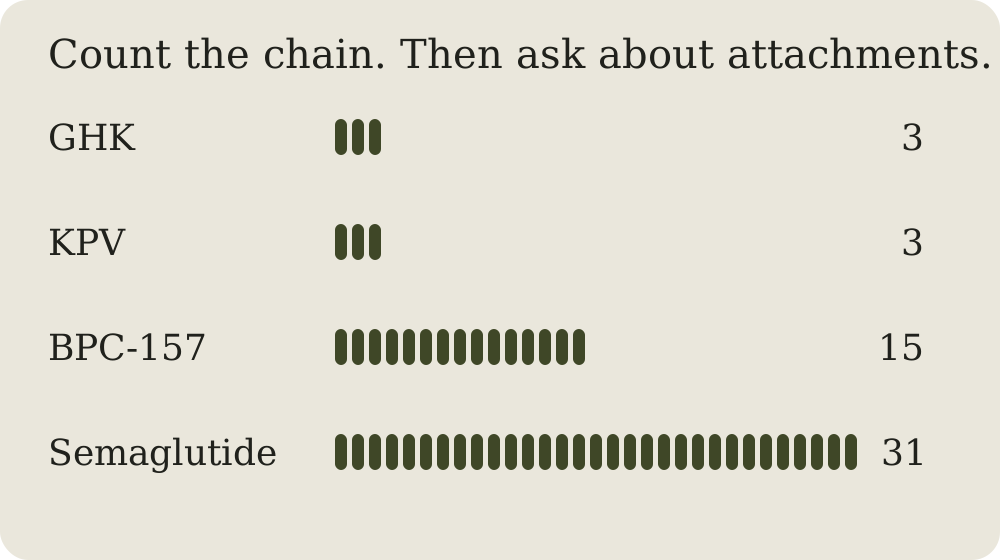
I expected the peptide question to end with chains. A peptide is a sequence of amino acids joined by peptide bonds. But the chain can have attachments, and those attachments can change its behaviour. Semaglutide's 31 amino acids are only the start of its description.
That seems a much better beginning than treating every substance called a peptide as a member of the same health craze. The chemistry is already more particular than the category. The medical evidence gets more particular still.
Sequence, copper, fragment, branch
A sequence records the amino acids in their order. BPC-157's sequence contains 15; KPV contains three, lysine-proline-valine. GHK also contains three, glycine-histidine-lysine, and can bind copper. Those small chains have different identities before anyone starts making a claim about them. The skin-regeneration review discusses GHK and its copper complex; the melanocortin review follows KPV's hormone fragment.
Copper complicates my initial picture in a useful way: it contributes something the letters GHK leave out; KPV preserves an inflammation-related action of a larger hormone in animal and cell experiments while leaving its pigmentary action behind. Neither observation supplies a general recipe for health. It does give the question a concrete object.
The BPC-157 sequence, GHK-Cu complex and KPV fragment each have their own page. Semaglutide gets room for its modifications and for the human trials that tested the resulting medicine.
What is ‘S peptide’ referring to?
A lone S leaves the molecule unidentified. If the question concerns semaglutide's peptide sequence, the important details here are its 31-amino-acid chain, the substitutions and the attached fat. The position numbers used to describe the substitutions come from the parent GLP-1 sequence, so they can run beyond the length of the modified chain. That numbering puzzled me until I stopped treating it as a fresh count.
The comparison page follows those chemical differences into the experiments. Semaglutide has FDA-approved prescription uses and large human trials. BPC-157 and KPV remain unapproved research substances; GHK-Cu has human cosmetic studies, with systemic use unapproved. The questions page deals with combinations, certificates of analysis and names that leave the actual material unclear.